

Search Blog
Recent Posts
-
 Ecommerce SEO for Google &...
Learn how online stores can improve visibility in Google, AI Overviews, ChatGPT, Gemini, and other AI search...
Jun 8, 2026 Read more
Ecommerce SEO for Google &...
Learn how online stores can improve visibility in Google, AI Overviews, ChatGPT, Gemini, and other AI search...
Jun 8, 2026 Read more -
 How to Use PrestaShop...
This blog post looks into how you can use prestashop modules effectively and how you can enhance your store's...
May 5, 2026 Read more
How to Use PrestaShop...
This blog post looks into how you can use prestashop modules effectively and how you can enhance your store's...
May 5, 2026 Read more -
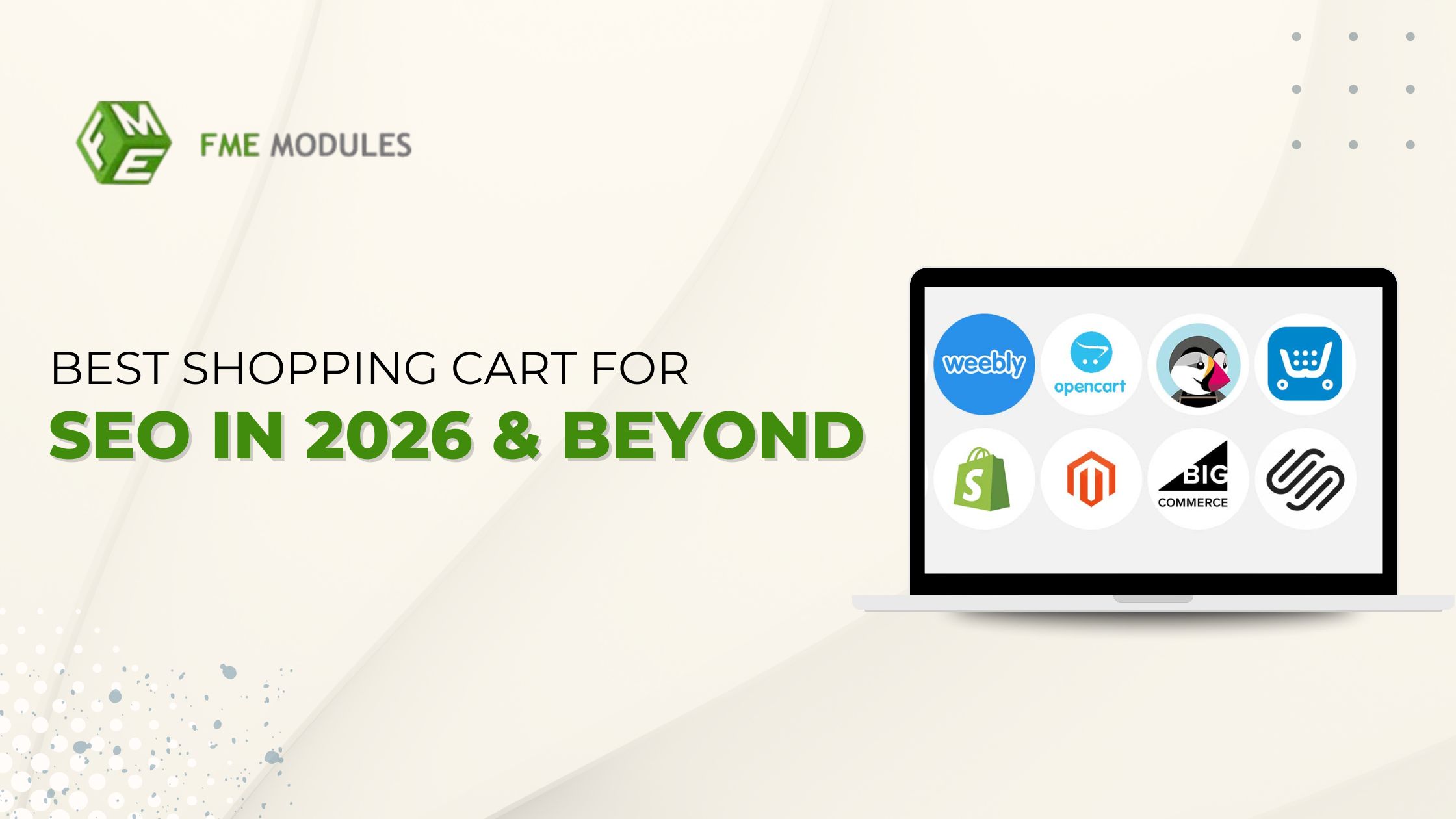 Best Shopping Cart for SEO...
This blog compares the best shopping cart platforms for SEO in 2026, including Shopify, WooCommerce, Magento,...
Apr 20, 2026 Read more
Best Shopping Cart for SEO...
This blog compares the best shopping cart platforms for SEO in 2026, including Shopify, WooCommerce, Magento,...
Apr 20, 2026 Read more -
 Canonical vs Hreflang Tag:...
Canonical tags prevent duplicate content by selecting a preferred page, while hreflang tags target language and...
Apr 13, 2026 Read more
Canonical vs Hreflang Tag:...
Canonical tags prevent duplicate content by selecting a preferred page, while hreflang tags target language and...
Apr 13, 2026 Read more -
 PrestaShop 9.1: A Major...
Learn what’s new in PrestaShop 9.1, including performance upgrades, modern architecture, and improved developer...
Apr 6, 2026 Read more
PrestaShop 9.1: A Major...
Learn what’s new in PrestaShop 9.1, including performance upgrades, modern architecture, and improved developer...
Apr 6, 2026 Read more

PrestaShop vs Shopify (2026): Which Ecommerce Platform Is Better?
Posted On: Jul 26, 2023
Categories: Shopping Carts and E-Commerce Platforms: A Complete Guide , Marketing
Choosing the wrong ecommerce platform can cost your business thousands in migration expenses, SEO losses, slow website performance, and expensive third-party app fees.
That’s why choosing between PrestaShop and Shopify is not a decision you should make lightly.
Both platforms are among the most popular ecommerce solutions in the world, but they are built for very different types of businesses.
Shopify is a fully hosted ecommerce platform designed for simplicity, fast setup, and ease of use. PrestaShop, on the other hand, is an open-source ecommerce CMS that gives store owners complete control over customization, SEO, hosting, and scalability.
In this in-depth comparison, we tested Shopify and PrestaShop across:
- Pricing and hidden costs
- SEO capabilities
- Speed and performance
- Ease of use
- Customization flexibility
- B2B functionality
- Security and maintenance
- Scalability for growing businesses
By the end of this guide, you’ll know exactly which platform is the better choice for your ecommerce business in 2026.
Table of Contents
1. Quick Comparison: Shopify vs PrestaShop
2. What is PrestaShop?
3. What is Shopify?
4. Shopify vs PrestaShop Pricing
5. Shopify vs PrestaShop SEO
6. Shopify vs PrestaShop Speed & Performance
7. Shopify vs PrestaShop Ease of Use
8. Shopify vs PrestaShop Customization
9. Shopify vs PrestaShop for B2B Ecommerce
10. Shopify vs PrestaShop Security
11. Shopify vs PrestaShop Scalability
12. Pros and Cons
13. Final Verdict
14. FAQs
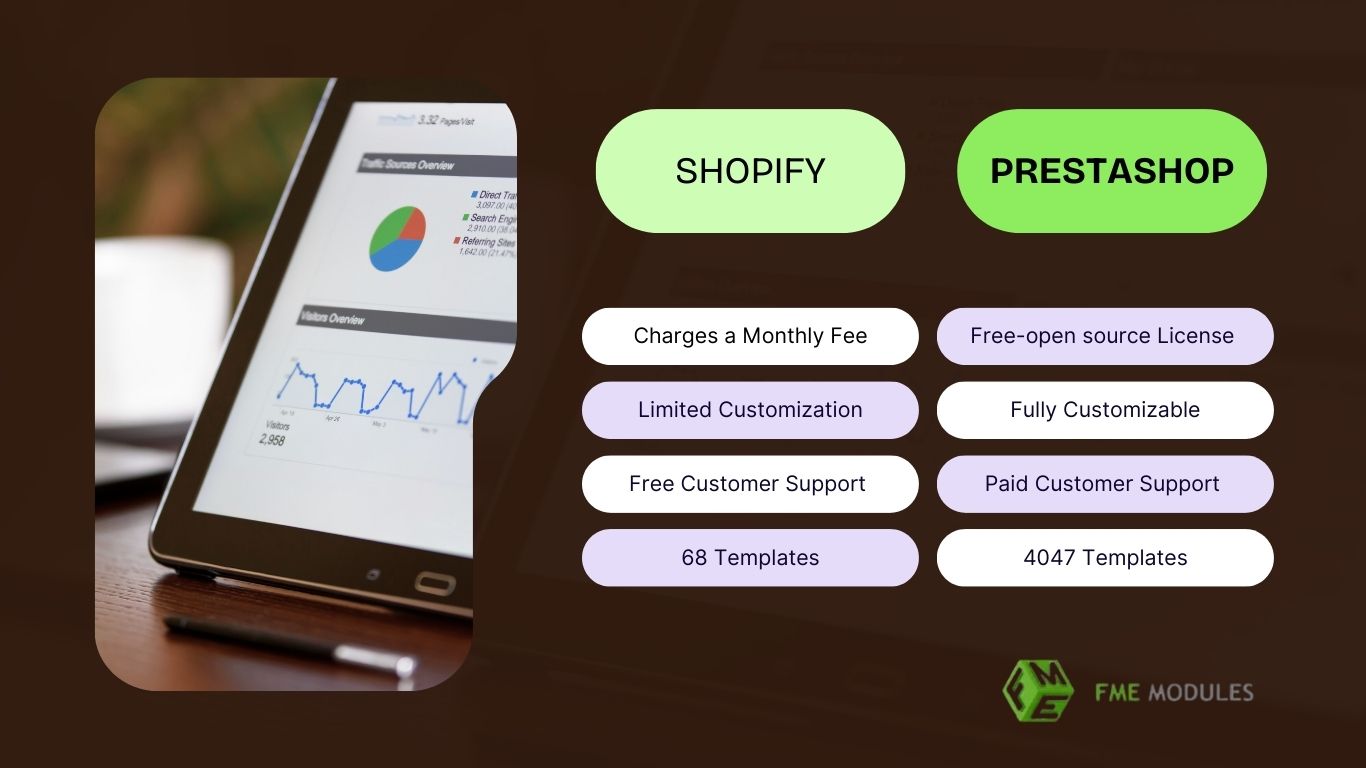
Prestashop vs Shopify - Quick Comparison
What is Prestashop?
PrestaShop is an open-source ecommerce platform that allows businesses to fully customize and control their online stores.

Unlike hosted ecommerce platforms, PrestaShop gives merchants complete ownership over their website, hosting environment, database, source code, and SEO structure.

One of the biggest strengths of PrestaShop is flexibility. Businesses can customize nearly every aspect of their store using themes, modules, and custom development.

PrestaShop is especially popular among:

- B2B ecommerce businesses
- International stores
- Wholesale businesses
- Large product catalogs
- Stores requiring custom functionality

Because it is self-hosted, merchants can optimize their store performance, server configuration, and technical SEO more aggressively compared to hosted platforms.

However, managing a PrestaShop store may require some technical knowledge or developer support depending on the complexity of the project.What is Shopify?
Shopify is a fully hosted ecommerce platform designed to help businesses launch online stores quickly without dealing with technical maintenance or hosting management.
It provides built-in hosting, security, SSL certificates, payment integrations, and store management tools under a monthly subscription model.
Shopify is widely used by:
- Small businesses
- Beginners
- Dropshipping stores
- DTC brands
- Businesses needing fast deployment
One of Shopify’s biggest advantages is simplicity. Users can launch a store within hours using Shopify’s themes, built-in tools, and app ecosystem.
However, Shopify’s ease of use comes with limitations in customization, checkout flexibility, and long-term costs due to recurring app subscriptions and transaction fees.
Comparison between Two E-commerce Platforms
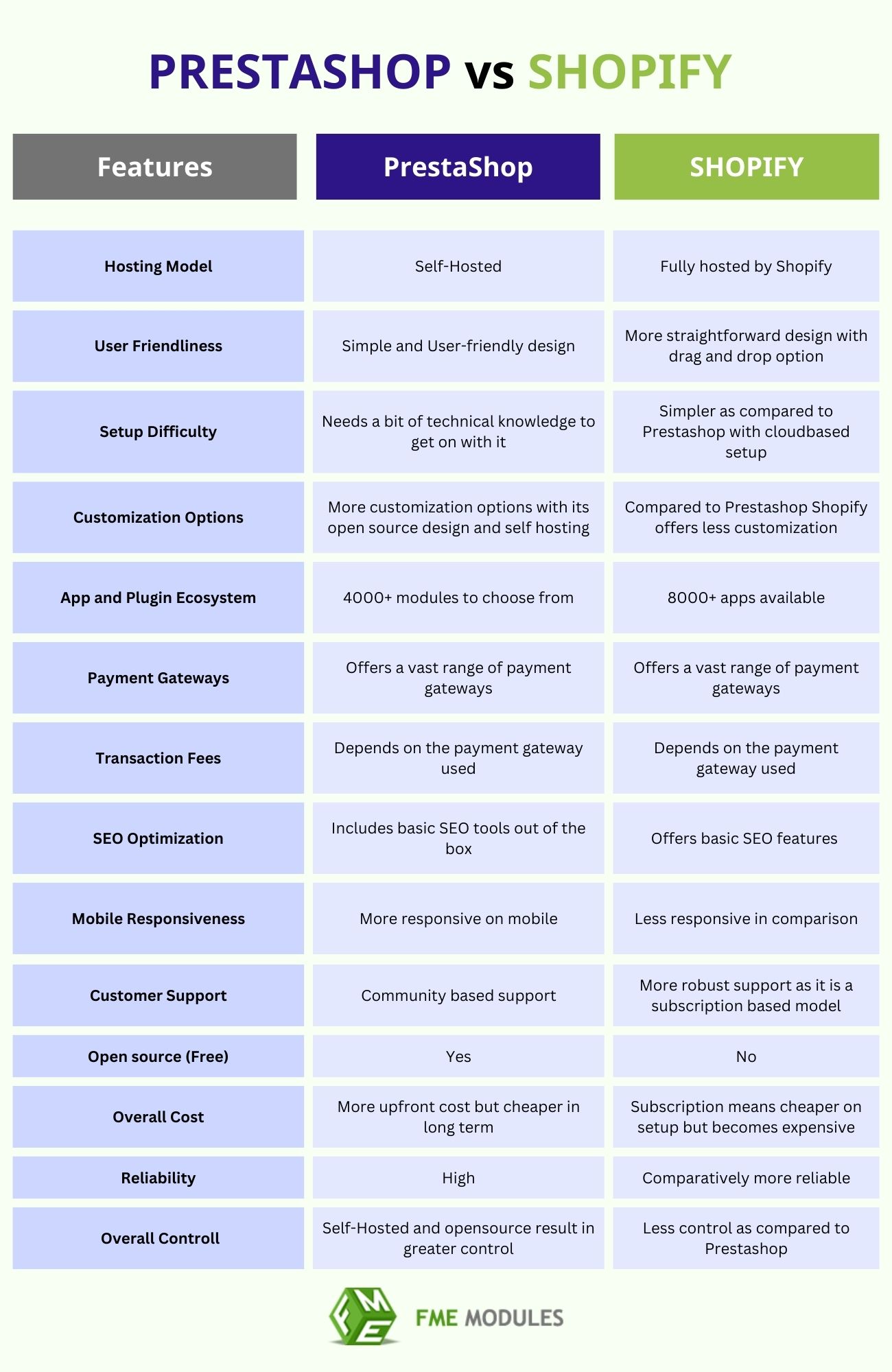
Prestashop vs. Shopify - A Quick Decision
Here’s how the two platforms can be quickly compared:
Whether or not a platform is suitable for beginners, from setting up to navigating its dashboard. Well. Prestashop is beginner-friendly in terms of pricing, while Shopify is in terms of features.
Settings of the product, gateways of payment, and shipping options. Both of them provide good payment gateways.
What option is each platform offering as per the website design? Both Prestashop and Shopify offer free and paid themes for website customization.
Loading speed of both the platforms and how they handle different levels of traffic. Prestashop is tested to have a fast loading speed as it heavily relies on lightweight HTML coding for almost everything.
Features of the platform’s security features, like shipping addresses. With Shopify, you can have a free SSL certificate and other security features that are included in the basic package as well. For Prestashop, you need to buy your own domain, hosting, and security certificates, which in most cases cost less than Shopify.
Shopify vs PrestaShop SEO Comparison
SEO is one of the most important factors when choosing an ecommerce platform because your rankings directly impact revenue and customer acquisition costs.
URL Structure & Technical SEO
PrestaShop gives complete control over:
- URL structures
- Canonical tags
- Robots.txt
- Meta tags
- Structured data
- Server-level optimization
Shopify simplifies SEO management but limits deeper technical customization in some areas.
Blogging Capabilities
Shopify includes a built-in blogging system that is easy to use for beginners.
PrestaShop often requires blog modules for advanced content marketing functionality, but it offers greater flexibility for SEO-focused websites.
Site Speed & Core Web Vitals
PrestaShop stores can achieve extremely fast loading speeds when optimized correctly with quality hosting and caching systems.
Shopify stores also perform well, but merchants have less control over backend optimization.
International SEO
PrestaShop is particularly strong for multilingual and multi-currency SEO strategies because of its advanced localization support.
SEO Verdict
If SEO is a major long-term growth strategy for your business, PrestaShop provides more flexibility and advanced optimization capabilities.
Shopify vs PrestaShop Speed & Performance
Website speed directly impacts SEO rankings, bounce rates, and ecommerce conversions.
Shopify Performance
Shopify provides managed hosting with built-in CDN support and optimized infrastructure.
This makes performance stable for most small and medium businesses.
PrestaShop Performance
PrestaShop performance depends heavily on hosting quality and optimization.
With proper caching, lightweight themes, and optimized hosting, PrestaShop can outperform many hosted ecommerce platforms in loading speed.
Performance Verdict
Shopify offers consistent performance with minimal setup, while PrestaShop provides greater optimization potential for advanced users.
Shopify vs PrestaShop for B2B Ecommerce
PrestaShop is often preferred for B2B ecommerce because it supports deeper customization and advanced wholesale functionality.
Businesses can implement:
- Customer-specific pricing
- Bulk ordering
- VAT management
- Quote systems
- Wholesale registration
- Role-based access
- Advanced catalog management
While Shopify supports B2B features through Shopify Plus and third-party apps, many advanced wholesale functionalities require expensive subscriptions.
For businesses focused on wholesale ecommerce, PrestaShop is usually the more cost-effective and customizable solution.
Hidden Costs: Shopify vs PrestaShop
Many businesses compare only the starting price of each platform, but the real long-term costs can be significantly different.
Shopify Hidden Costs
Shopify merchants often pay extra for:
- Premium themes
- Monthly app subscriptions
- Transaction fees
- Advanced reporting
- Third-party integrations
As a store grows, monthly recurring costs can increase substantially.
PrestaShop Hidden Costs
PrestaShop itself is free, but merchants typically pay for:
- Hosting
- Domain
- Premium modules
- Developer customization
- Security tools
However, many PrestaShop modules are one-time purchases instead of recurring monthly subscriptions.
Shopify vs Prestashop - Which One Is Easy To Use
Depending on how tech-savvy you are, Shopify might be trickier to navigate than Prestashop. In fact, both the Prestashop and Shopify platforms make it easier to set up an online store, but they have different levels of difficulty to master.
Here are the factors that help determine which platform is easier to use:
- Website setup process. Shopify has the edge because you get the initial setup at a low monthly cost.
- Dashboard navigation. Most of the users believe that Prestashop is a lot easier to navigate.
- Access to built-in tools. Shopify has paid customization tools, while Prestashop has many free features that are ideal for beginners.
To get PrestaShop up and running, you can either do a hands-on installation or use an auto-installer. Plus, you can have different Prestashop Modules to optimize your store’s performance. All you need to do is to get the latest version of Prestashop and then use an FTP client to install the eCommerce software.
You can find all the cool stuff like orders, catalog, and customer service under the dashboard tab. With PrestaShop, it's super easy to track your online store's progress or improve sales with some amazing ‘Salesbooster Prestashop Tips’ for success.
Also, this online store has a handy Quick Access button with shortcuts to all the important tools. You can even customize which tools show up under this button by managing quick accesses.
On the flip side, setting up on Shopify is way easier. All you gotta do is pick a plan, make an account, and slap on a store name. From there, Shopify's Home page guides you through setting up your store with handy links like Add product and domain, Customize theme, and Set up sales channels.
They even give you tips on how to make your store better, like adding a shipping policy and figuring out how to sell globally.
You can find all the usual eCommerce tools like Orders, Analytics, and Marketing in the left corner. If you want to see the full list of built-in tools, just click on the Settings button in the bottom left corner. That'll bring up more stuff like Billing, Taxes, and Metafields.
Shopify Pros and Cons
Pros
- Easy setup
- Hosted infrastructure
- Beginner-friendly
- Large app ecosystem
- Reliable support
Cons
- Monthly recurring costs
- Limited backend control
- App dependency
- Transaction fees
- Limited checkout customization
PrestaShop Pros and Cons
Pros
- Full ownership
- Advanced customization
- Better technical SEO flexibility
- Lower long-term costs
- Strong B2B capabilities
Cons
- Requires hosting management
- Learning curve
- Technical maintenance required
- Developer support may be needed
Final Verdict: Which Ecommerce Platform Should You Choose?
Choose Shopify if:
- You want the fastest and easiest setup
- You do not want to manage hosting or maintenance
- You are a beginner launching a small or medium ecommerce store
- You prefer an all-in-one hosted solution
Choose PrestaShop if:
- You want full ownership of your store
- SEO flexibility is important to your business
- You need advanced customization
- You operate a B2B or wholesale business
- You want lower long-term operational costs
Overall, Shopify is better for simplicity, while PrestaShop is better for flexibility, ownership, and advanced ecommerce customization.
-
Is PrestaShop cheaper than Shopify?
PrestaShop can be cheaper in the long run because it is open-source and many modules are one-time purchases, while Shopify relies heavily on recurring subscription costs.
-
Which platform is better for SEO?
PrestaShop generally offers more advanced technical SEO flexibility, while Shopify is easier for beginners.
-
Can PrestaShop handle large ecommerce stores?
Yes, PrestaShop can handle large product catalogs and enterprise ecommerce stores with proper hosting and optimization.
-
Which platform is better for B2B ecommerce?
PrestaShop is usually better for B2B ecommerce because of its advanced customization capabilities and wholesale features.