


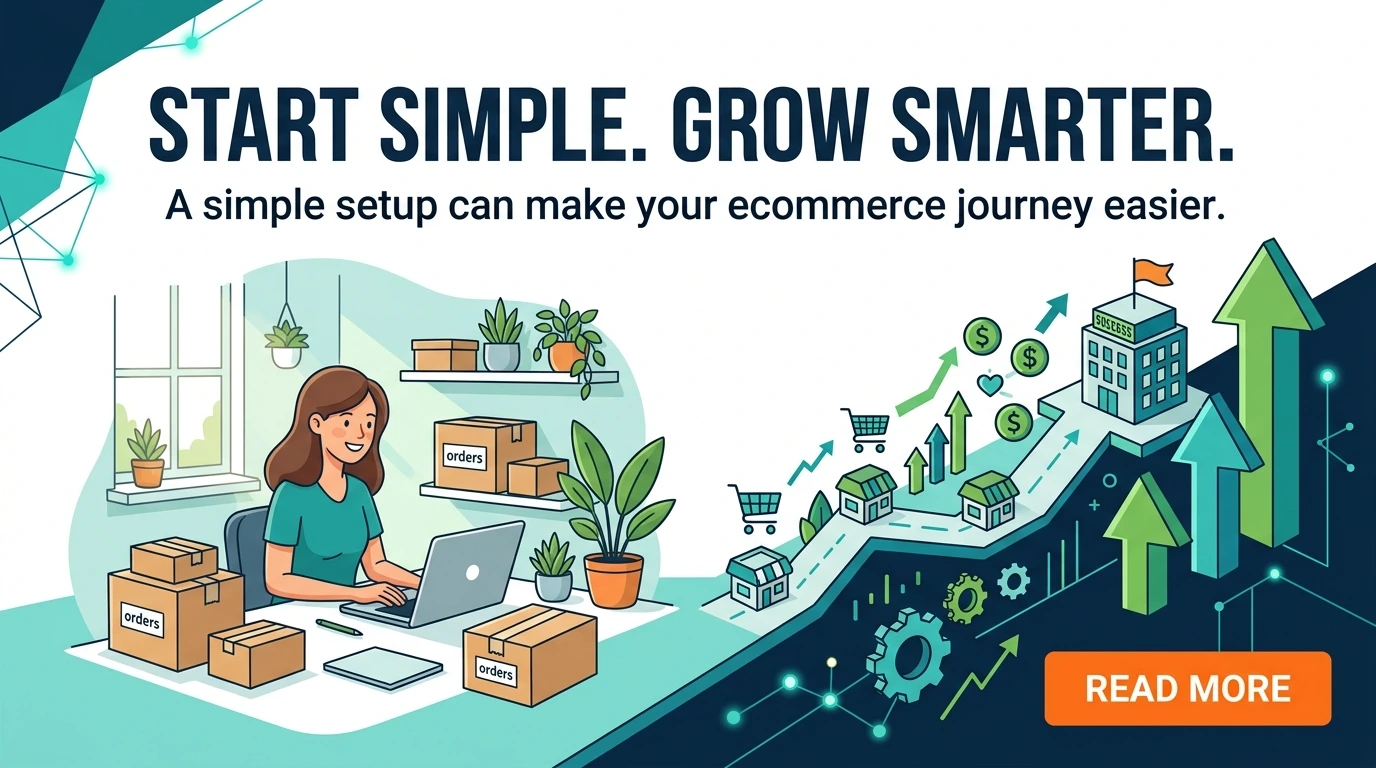
Starting an online store should be an exciting step for any business owner. You have products to sell, customers to reach, and a business idea you want to turn into reality. But before making the first sale, many entrepreneurs get caught up in the technical side of setting up their store.
Choosing a platform, building a website, connecting payment methods, arranging deliveries, and managing orders can quickly become overwhelming. For new sellers, the challenge is not always knowing what to sell. It is figuring out how to get everything ready.
A simple ecommerce setup can make this process easier, helping business owners focus on their products and customers instead of spending weeks managing technical details.
The Challenges of Launching an Online Store
Many people assume that starting an online business requires a large investment, technical knowledge, and plenty of time. While building a complex ecommerce website may require these resources, not every business needs such a setup from day one.
The real challenge is choosing the right tools and avoiding unnecessary complexity.
Here are some common difficulties new sellers face.
1. Too Many Technical Decisions
Before launching, business owners may need to choose a domain, hosting provider, website platform, theme, payment gateway, and several additional tools.
Each decision comes with its own requirements. For someone unfamiliar with ecommerce, figuring out how everything works together can delay the entire process.
A platform with a guided setup and ready-to-use features can reduce these decisions and make launching more manageable.
2. Managing Multiple Tools
An online store does more than display products. It also needs to handle orders, payments, customer communication, and deliveries.
When these activities depend on separate tools, business owners may spend too much time switching between dashboards, checking order details, and updating customers manually.
Bringing essential functions together can simplify daily operations and reduce unnecessary work.
3. Spending Too Much Before Making the First Sale
New entrepreneurs often invest in website development, custom features, and other services before they have tested their business idea.
Some of these investments may become necessary as the business grows, but they are not always essential at the beginning.
Starting with the features needed to launch can help business owners manage their budget and make better decisions as they learn what their customers want.
Why a Simple Store Setup Makes a Difference
Simplicity is not about building a store with fewer capabilities. It is about making the important things easier to manage.
A straightforward ecommerce setup allows business owners to focus on launching, learning, and improving their business.
Launch Faster and Start Learning
The sooner a store is ready to accept orders, the sooner its owner can begin understanding customer behaviour.
Business owners can test products, improve descriptions, adjust prices, and learn which marketing channels bring visitors.
Instead of spending weeks planning every detail, they can start with a practical setup and improve it over time.
Focus on Products and Customers
Product quality, pricing, customer service, and marketing all influence the success of an online business.
When store management becomes unnecessarily complicated, these important activities can receive less attention.
A simpler setup gives business owners more time to improve their products, respond to customer questions, and create a better shopping experience.
Make Growth Easier to Manage
A new store may begin with a few products and a handful of orders. As sales increase, the business may need more payment options, better order management, customer communication tools, and delivery support.
Choosing a platform that can support these changing needs helps business owners avoid rebuilding their entire setup too soon.
The goal is to start with what is necessary while keeping room for future growth.
What Should You Look for in a Simple Ecommerce Platform?
Not every platform that promises an easy setup will provide the same experience. Before choosing one, consider the practical requirements of your business.
Easy Store Creation
Look for a platform that helps you create a professional storefront without requiring extensive technical knowledge.
Ready-made designs, guided setup, and simple product management can make the process easier for first-time sellers.
Convenient Product Management
Adding and updating products should not require complicated procedures.
Whether you sell clothing, electronics, groceries, or handmade products, your platform should make it easy to manage product information, prices, images, and stock.
Integrated Payments and Order Management
Customers need convenient ways to pay, while business owners need a clear view of incoming orders.
A platform that brings payment options and order management together can reduce manual work and make daily operations easier.
Delivery and Customer Communication
Order confirmation, delivery updates, and customer questions are important parts of the buying experience.
Features such as courier integration, tracking, and messaging can help businesses manage these activities without relying on multiple disconnected tools.
Room to Grow
A simple platform should not limit your business as it expands.
Consider whether you can connect your own domain, add more products, introduce additional payment methods, and manage increasing order volumes as your needs change.
Why Local Requirements Matter When Selling Online in Pakistan
For businesses selling in Pakistan, choosing an ecommerce platform involves more than creating a website. The store also needs to support the way local customers prefer to shop and pay.
Cash on Delivery remains an important consideration for many sellers. Customers may also expect familiar payment options, convenient delivery, and quick communication through WhatsApp.
Managing these requirements separately can add complexity, particularly for entrepreneurs who are launching their first online business.
A platform designed around these needs can make the process more straightforward.
For example, Storefly brings store creation, local payment options, Cash on Delivery, courier booking, WhatsApp communication, and delivery tracking together in one place. This gives business owners a way to set up their online store without having to connect every essential service themselves.
For someone starting an ecommerce business in Pakistan, this type of setup can help reduce the technical work involved in getting ready to sell.
The important thing is to choose a solution that matches your business requirements, rather than paying for features you do not currently need.
Start Small, Then Improve Your Store
One of the most common mistakes new business owners make is trying to create the perfect store before launching.
They may spend too much time adjusting the design, adding unnecessary features, or planning for a level of growth they have not reached yet.
A more practical approach is to begin with the essentials.
Here is a simple launch checklist:
- Choose a business name and suitable domain.
-
Select an ecommerce platform that meets your needs.
-
Add your initial products with clear descriptions and images.
-
Set up payment methods and delivery options.
-
Test the checkout process before accepting orders.
-
Make sure customers can contact you easily.
-
Launch your store and begin promoting your products.
-
Use customer feedback to improve the shopping experience.
You do not need to solve every future challenge before making your first sale. Start with a functional store, understand what your customers need, and improve the experience as your business develops.
Final Thoughts
Launching an online store does not have to involve complicated technology or a long setup process. The right platform can make essential tasks easier, allowing business owners to spend more time building their brand and serving customers.
For new entrepreneurs, especially those selling in markets with specific payment and delivery requirements, simplicity can make the first steps into ecommerce more manageable.
The best starting point is not necessarily the platform with the most features. It is the one that helps you get your business online, manage your daily operations, and grow when you are ready.
